Integrated Security Systems
When Security Systems Don’t Work Together, Gaps Appear
CCTV, alarms, access control and intercoms must operate as a unified system — not as separate installations.
Secure Edge designs integrated security systems across the Gold Coast and South East Queensland, ensuring CCTV, alarms, access control and monitoring operate as a unified solution.
Designed, integrated and supported by Secure Edge.
The Problem With Disconnected Systems
Most sites don’t have a security system.
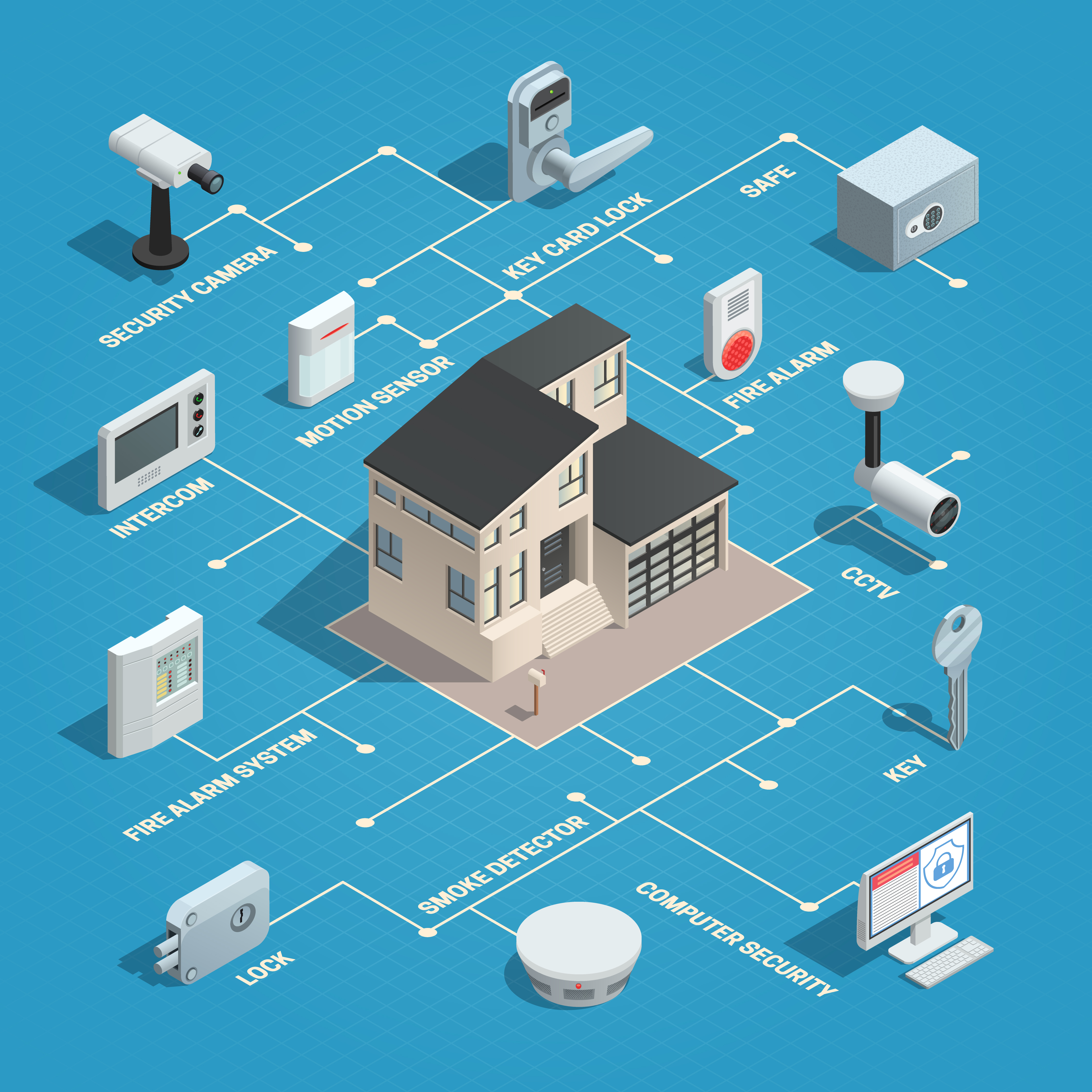
They have:
1. a CCTV system
2. an alarm system
3. access control (sometimes)
4. an intercom
All installed at different times, by different providers, for different reasons.
The result:
1. no integration
2. no shared intelligence
3. inconsistent response
4. blind spots between systems
The system exists — but it doesn’t operate as one.
What Integrated Security Actually Means
Integration is not about adding more technology.
It’s about ensuring systems:
1. communicate
2. support each other
3. trigger coordinated responses
4. provide a complete operational picture
When done correctly:
1. CCTV supports alarm verification
2. access control supports accountability
3. alarms trigger meaningful responses
4. intercoms support controlled entry
Everything works together.
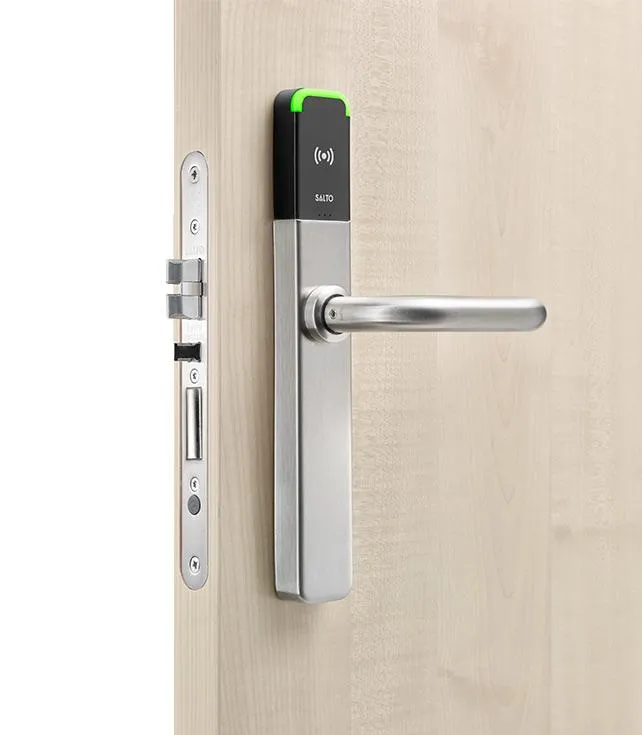
Integrated security brings different systems together, including CCTV systems, alarm systems, access control and intercoms.
Designed, integrated and supported by Secure Edge.
Where Integration Fails
Most integration issues come from:
1. systems installed in isolation
2. lack of long-term planning
3. incompatible platforms
4. no defined operational workflow
5. overcomplicated solutions
6. no one responsible for the overall design
That’s why simply “adding more systems” rarely improves security.
Disconnected systems often create hidden risk, especially when monitoring, access events and incident visibility are not aligned through a structured design approach.
Our Approach: Security System Design & Integration
We approach integration as a structured design process, not a product sale.
What we assess:
Site risk profile
What actually needs to be protected and why
Current system performance
What exists and how it performs
Gaps between systems
Where integration is missing or ineffective
Operational workflow
What should happen during an event
User interaction
How staff actually use the system
Technology alignment
What platforms should be connected — and what shouldn’t
Integration also requires long-term support, which is why complex sites often benefit from an ongoing security partnership after installation.
What You Receive
Following a consultation, you receive:
1. A clear overview of your current system architecture
2. Identification of integration gaps
3. A recommended system structure (not just products)
4. Practical, staged upgrade pathways
5. Advice aligned to your operational needs
Who This Is For
1. Schools and large campuses
2. Multi-building or multi-site operations
3. Commercial facilities with layered security needs
4. Clients upgrading or replacing multiple systems
5. Anyone wanting a long-term, scalable solution
Not suited to:
1. single product installs
2. basic residential upgrades
3. one-off equipment replacements
BRAND'S SUPPORTED



If you can’t confidently say who has access to your site today, it’s time to review it.
What happens next:
1. Initial discussion to understand your site
2. Qualification of scope and requirements
3. Structured consultation (if appropriate)
4. Strategic recommendations provided
Explore Our Security Services
Secure Edge provides practical, integrated security solutions for commercial, education and multi-site environments across the Gold Coast and South East Queensland.
FAQ's
What is an integrated security system?
An integrated system combines CCTV, alarms, access control and other technologies into one coordinated solution.
Why is integration important?
Integration improves visibility, response and overall system effectiveness by ensuring systems work together.
Can existing systems be integrated?
In many cases, yes. However, compatibility and system condition must be assessed first.
Is an integrated system more expensive?
Initial costs can be higher, but integration often reduces long-term risk and improves operational efficiency.