School and Healthcare Security: 12 Common Vulnerabilities (and How to Close Them)
Security gaps in schools and healthcare facilities aren’t just inconvenient—they put lives and assets at real risk. Many sites on the Gold Coast and across Queensland operate with blind spots and outdated controls that invite breaches. This post reveals 12 common vulnerabilities we find regularly and explains practical fixes using CCTV for schools and clinics, access control for hospitals, and alarm systems designed to stop threats before they escalate. Read on to learn how you can protect your site with confidence. For further reading on cybersecurity, visit this guide.
Common Security Gaps
Identifying security gaps is the first step to ensuring safety in schools and healthcare facilities. Let’s explore two critical areas where vulnerabilities often occur.
Unsecured Access Points
Unsecured access points are like open invitations for intruders. Many buildings have multiple entrances and exits that are left unmonitored. Imagine a school where doors are propped open during recess, or a clinic with a side entrance left unlocked for deliveries. These scenarios can lead to unauthorised entries.
-
Key Issue: Tailgating, where an unauthorised person follows someone into a secure area, is common. Without proper checks, anyone can enter restricted zones.
-
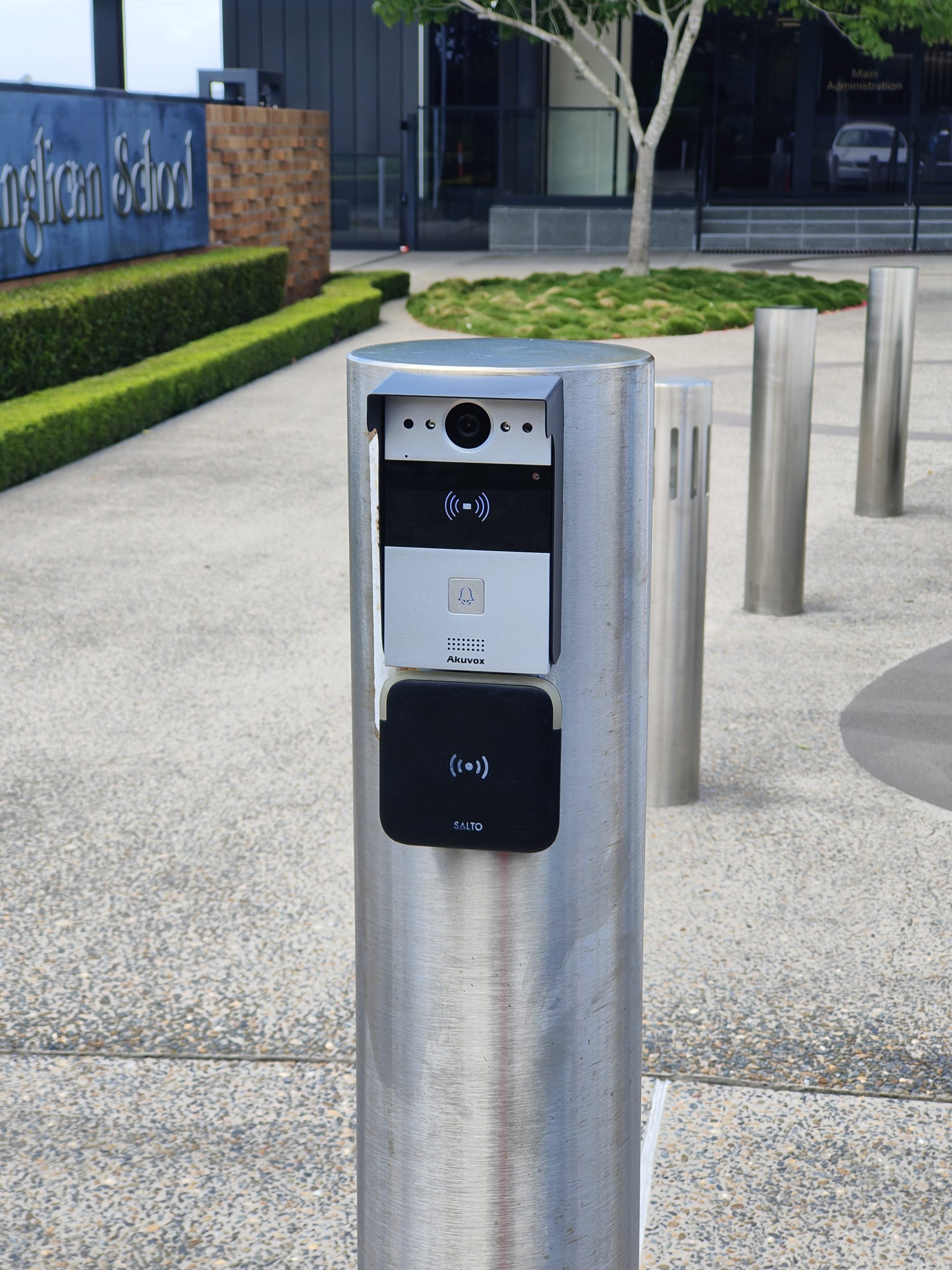
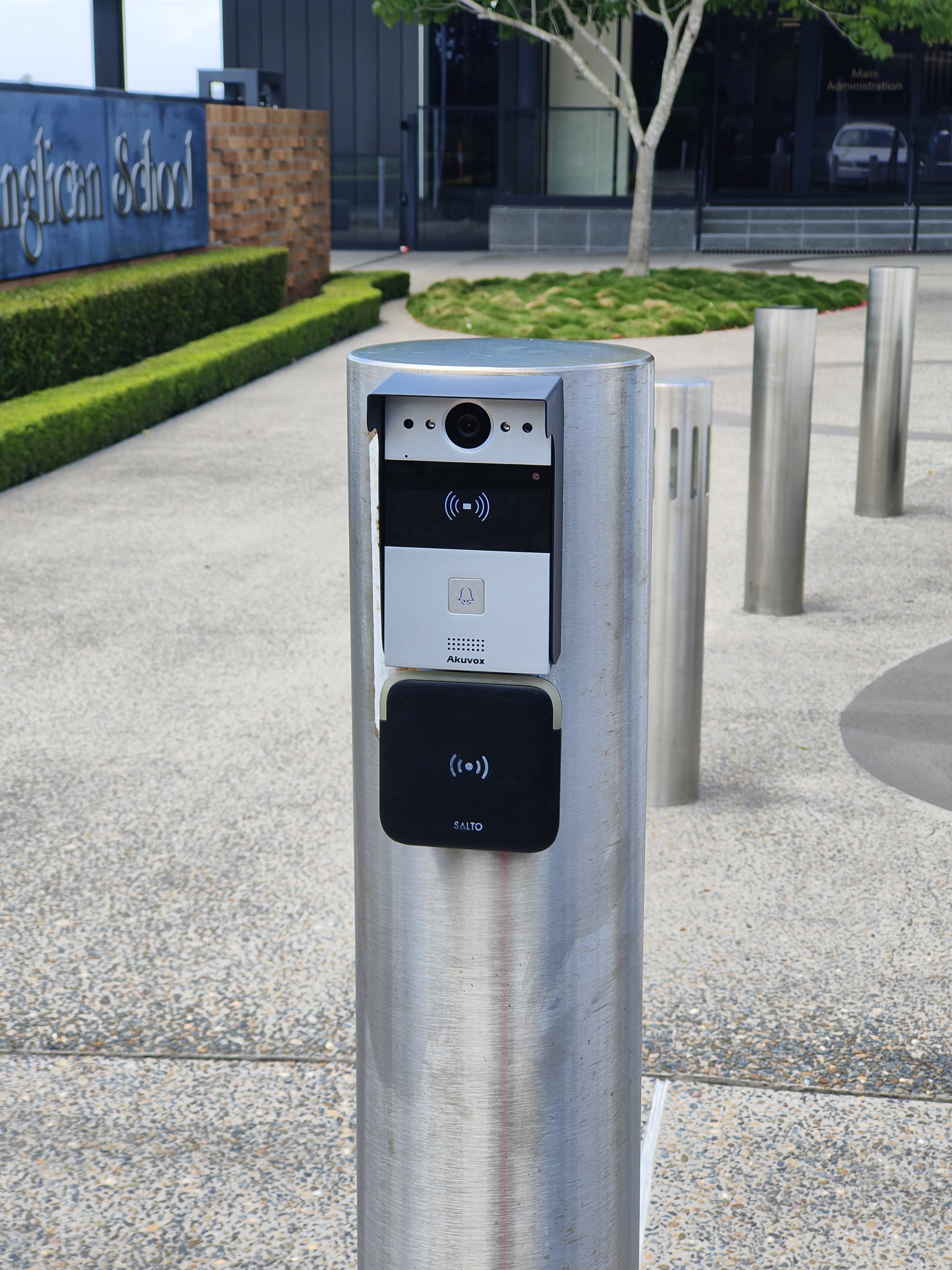
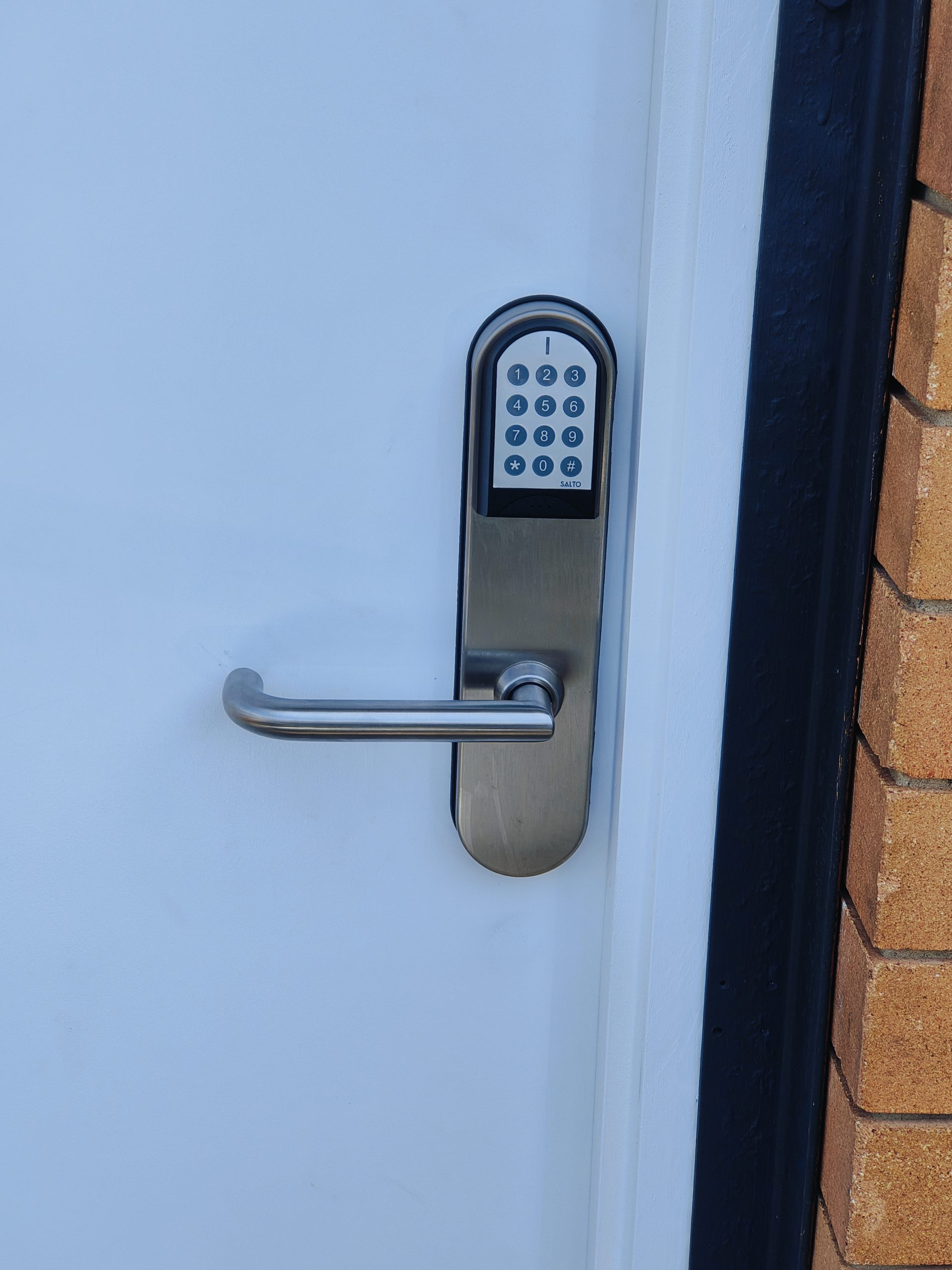
Solution: Implementing an access control system like Salto can provide real-time monitoring and control over who enters and exits. These systems can restrict access to specific times, keeping unwanted visitors out.
Inadequate Surveillance Coverage
Inadequate surveillance leaves blind spots that create opportunities for mischief. Schools and clinics need comprehensive coverage to ensure every inch of the property is under watch. Consider a hallway without cameras or a parking area left unmonitored. These are potential hotspots for incidents.
-
Key Issue: Blind spots are often exploited by those with ill intent. Without full coverage, response times lag, and incidents go unnoticed.
-
Solution: CCTV for schools and clinics with wide-angle lenses and night vision can plug these gaps. High-resolution cameras ensure clear visibility at all times, acting as both a deterrent and a tool for incident verification.
Solutions for Schools and Healthcare
Having identified the common gaps, let’s shift focus to effective solutions tailored for educational and healthcare environments.
Enhancing CCTV Effectiveness
CCTV systems provide round-the-clock surveillance but require strategic setup. Simply installing cameras isn’t enough. For example, placing a camera at eye level in a crowded hallway might capture heads, not faces.
-
Set Up Smartly: Position cameras at high points for broader views. Use cameras with motion detection to alert staff of unusual activity instantly.
-
Integration: Sync cameras with mobile apps for real-time alerts and remote access. This integration ensures you’re notified the moment something happens.
Advanced Access Control Measures
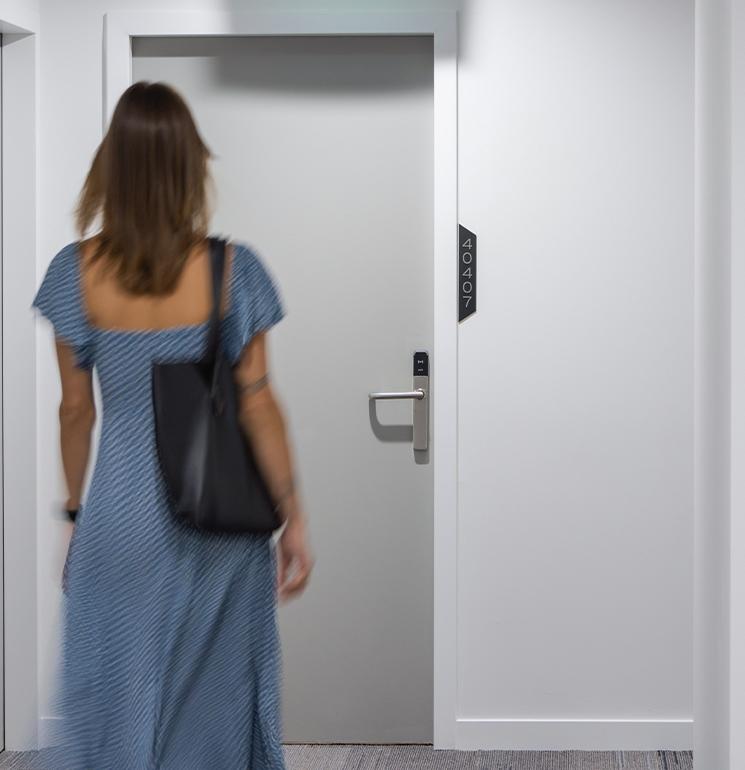
Access control systems are crucial for maintaining secure environments in schools and healthcare facilities. They go beyond locking doors, providing a layered defence mechanism.
-
Biometric Systems: Implement fingerprint or facial recognition systems to ensure only authorised personnel enter sensitive areas like medication rooms.
-
Visitor Management: Use digital systems to track who enters and leaves. This can prevent unauthorised access and keep a record of all visitors.
Practical Steps for Risk Mitigation
Understanding potential risks allows you to take practical steps toward a safer environment. Here’s how to begin.
Tailored Security Assessments
To tailor security measures, you must first assess current vulnerabilities. A security risk assessment on the Gold Coast can identify the unique needs of your facility.
-
Professional Evaluation: Hire experts to conduct a thorough inspection. They can reveal overlooked vulnerabilities and suggest tailored solutions.
-
Customised Plans: Based on the assessment, develop a security plan that addresses specific risks identified on your site.
Implementing Duress and Alarm Systems
Duress and alarm systems are vital for ensuring prompt responses during emergencies. They act as a direct line for help when needed most.
-
Installation: Place duress alarms at reception areas and high-risk zones. This ensures quick access for staff when under threat.
-
Integration with CCTV: Link alarms with your CCTV system to trigger instant recording during an incident, providing valuable evidence for follow-up.
By addressing these vulnerabilities and implementing these solutions, schools and healthcare facilities can significantly improve their security posture. Remember, the longer you wait, the more exposed you become. So take action today to safeguard your environment. Secure Edge Pty Ltd is here to assist with tailored security solutions and expert advice to keep you protected.
Visit our web page for more information