Risk‑Based Security Design: A Practical Guide for Homes, Schools and Businesses on the Gold Coast
Most security plans fail because they focus on products, not real threats. If your home, school or business on the Gold Coast relies on guesswork instead of a clear risk-based security design, gaps will remain wide open. This guide breaks down how to build a system around actual attack scenarios, showing you how to integrate CCTV, alarms, intercoms and access control into a smart, layered defence that works. For more details, visit this guide.
• Follow for real-world security insights we share weekly.
• Request an independent risk review and site walk-through (Gold Coast and surrounds).
• Ask us to map your top 5 threat scenarios and the minimum viable controls to shut them down.
Designing Security for Real Threats
The key to effective protection is understanding genuine risks. Many systems miss the mark by not addressing real-world threats.
Identifying True Security Risks
How can you protect what you don’t know? Identifying threats means looking beyond the obvious. A security audit is crucial to uncover hidden vulnerabilities in your property on the Gold Coast. Conduct this assessment regularly to stay ahead. Most people overlook seasonal and behavioural changes, which can influence security needs significantly. For more insights, consider reviewing this security risk guide.
Common Security Assumptions Debunked
Not all security measures are foolproof. Many believe having high walls or a guard dog is enough. But these methods can be bypassed. Statistics show that 35% of burglars enter through the front door. It’s essential to question traditional beliefs and adopt new strategies. Learn more about designing secure environments by visiting FEMA’s guidelines.
Practical Steps for Risk-Based Design
Creating a risk-based design involves several steps:
-
Identify Potential Threats: Start with a list of possible risks.
-
Evaluate Vulnerabilities: Assess weak points in your current setup.
-
Implement Layered Security: Use a combination of CCTV, alarms, and intercoms.
These actions are foundational for comprehensive security. For further guidance, check out this resource.
Integrating Security Technologies
Technology can transform your security landscape. It’s about using the right tools in the right places.
Effective CCTV Placement and Use
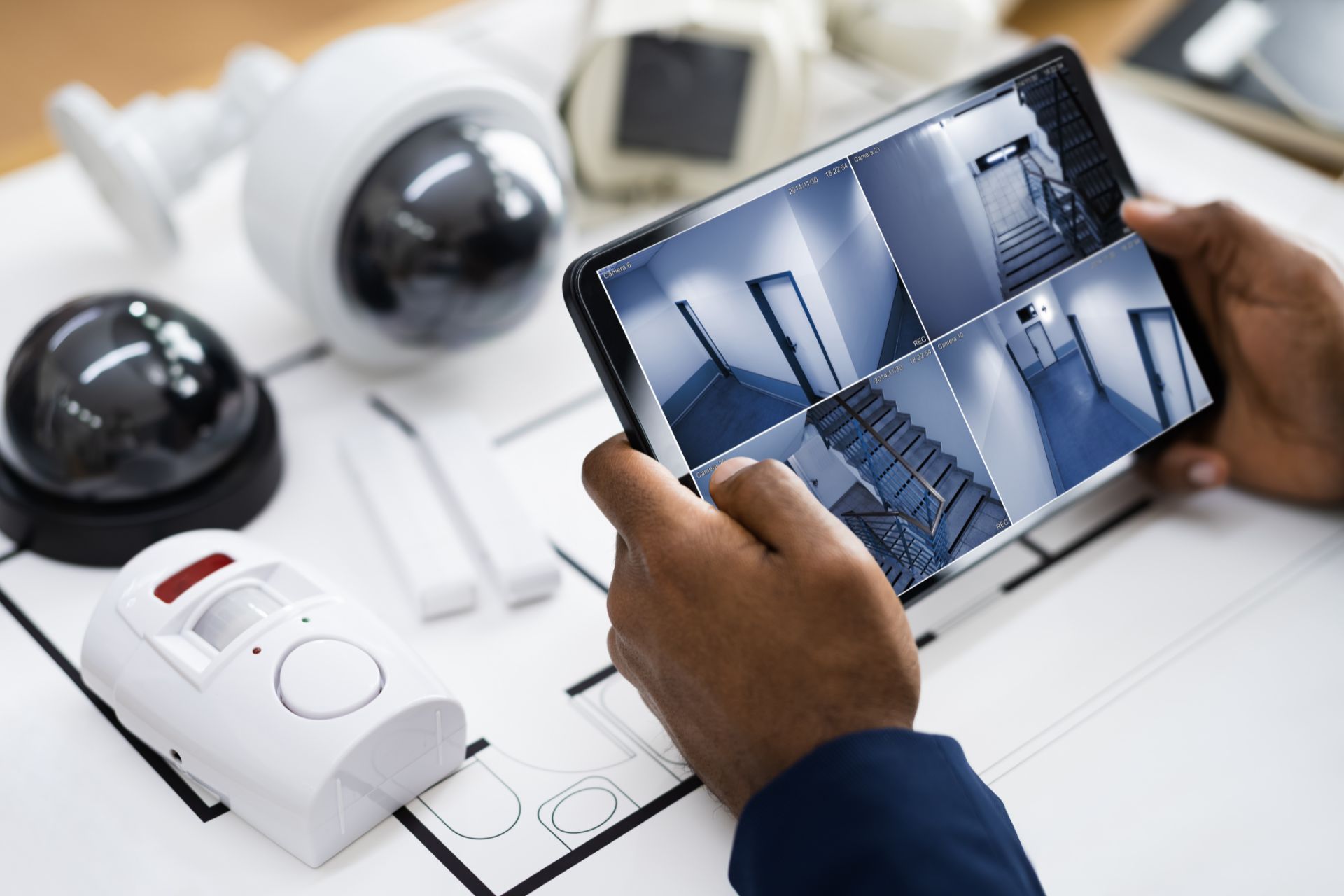
CCTV cameras are your eyes when you can’t be there. Position them strategically to cover entry points and blind spots. A well-placed camera deters intruders and provides crucial evidence. Ensure your system allows for CCTV verification to reduce false alarms and improve response times. Modern systems also let you monitor your property from anywhere. Discover more on optimal camera setups at CISA’s guide.
Ajax Alarm Systems for Australian Homes
Ajax systems are designed for reliability and ease of use. They offer wireless technology that integrates seamlessly with your existing setup. Ajax alarm systems in Australia provide real-time alerts and are known for reducing false alarms. Their outdoor detectors prevent issues before they escalate, safeguarding your home effectively.
Smart Intercoms and Access Control
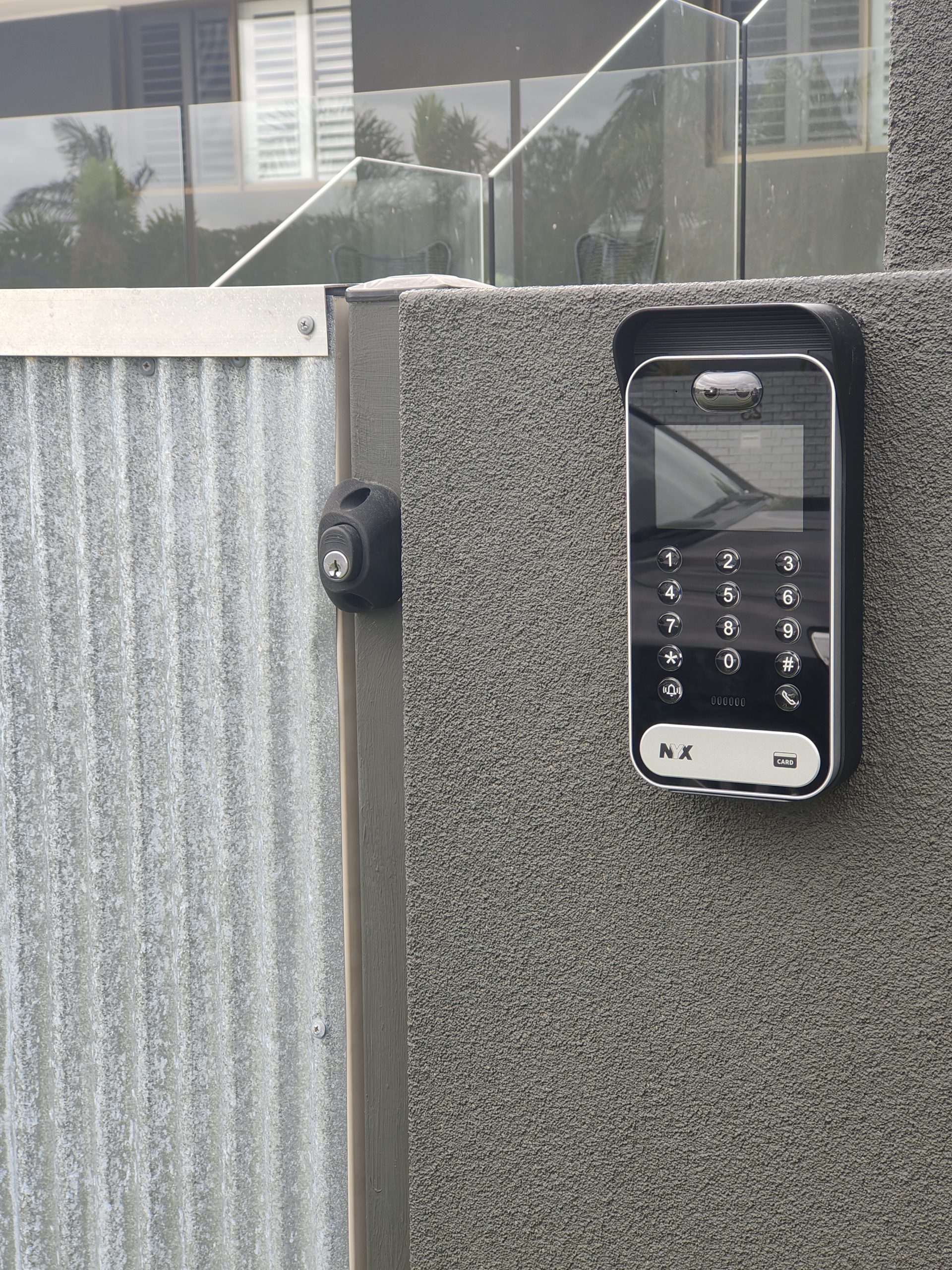
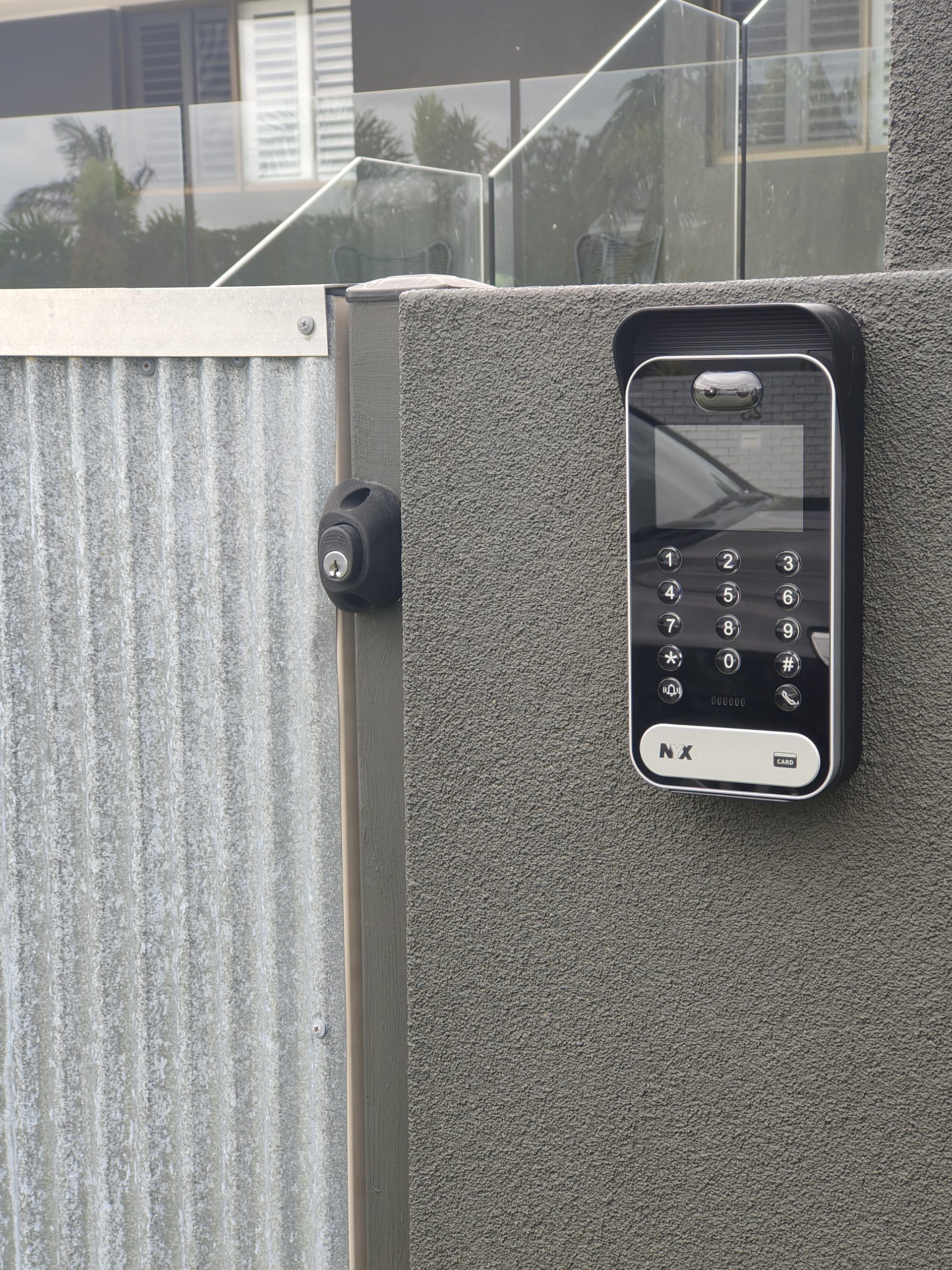
Access control should be more than just a lock and key. With smart intercoms, you can see and speak to visitors before granting access. Intercom access control systems enhance security by allowing remote entry management. They also provide an access audit trail, ensuring accountability and preventing unauthorized access.
Maintaining a Secure Environment
Security is an ongoing process. Regular updates and checks ensure your defences remain strong.
Seasonal and Behavioural Risk Factors
Security needs can change with the seasons. Holidays and events can increase risk, requiring heightened vigilance. Assess behavioural patterns in your area to adjust your security measures accordingly. The longer you wait, the more you expose yourself to unforeseen risks.
Routine Commissioning and Maintenance
Routine checks are essential for keeping your security systems efficient. Regular maintenance prevents failures and ensures each component functions correctly. This practice should be a priority for property management security strategies.
Keeping Systems Effective Over Time
Security systems need to evolve with new threats. Regular upgrades and assessments keep them effective. Engage in periodic business security assessments to identify and address potential gaps. Staying proactive helps in maintaining a robust defence against evolving risks.
In conclusion, effective security is proactive and dynamic, focusing on real threats and adapting to changes. By integrating technology and regular assessments, you can safeguard your property and enjoy peace of mind.