

How to integrate CCTV, alarms and access control for maximum protection (without the usual gaps)
Most security systems on the Gold Coast fail because they don’t talk to each other — leaving gaps where threats slip through unnoticed. If your CCTV, alarms, and access control aren’t linked by clear event triggers, you’re missing vital verification and audit trails that protect your site. This guide breaks down how risk‑based security integration can close those gaps, reduce false alarms, and give you control before you even talk to vendors. Follow Secure Edge for real‑world security insights. If you want a risk‑based integration plan for your site on the Gold Coast, organise a 20‑minute consult to map your risks and confirm the right integration points. Learn more here.
Risk-Led Security Integration

Want to know why your security might fail? It’s often due to poor integration. Let’s explore the typical gaps that weaken security systems.
Identifying Common Security Gaps
Security gaps often occur when systems don’t communicate well. Your CCTV might be top-notch, but without linking to alarms, you miss potential threats. Many sites lack proper verification paths, leaving them vulnerable. Unmanaged credentials add to this risk, making it hard to track who accessed what and when. Incomplete event linking means alarms might trigger, but without video confirmation, they’re useless. Addressing these gaps is crucial for effective security.
Creating a Practical Integration Framework
Building a framework isn’t just smart—it’s essential. Start by mapping out your security needs. Identify your high-risk areas and potential weak points. Next, connect your systems: make sure your CCTV, alarms, and access control talk to each other. This might involve upgrading software or integrating new technologies. Finally, set clear procedures for responding to alerts. Without this, your systems can’t protect you effectively.
Planning Upgrades with Confidence
Feel overwhelmed by the thought of upgrading? Don’t be. With a clear plan, you can approach upgrades confidently. Begin by evaluating your current setup. What works? What doesn’t? Use this insight to guide your decisions. When you’re ready, choose proven platforms like Ajax and Salto. These are designed to seamlessly integrate, reducing the chance of failure. By planning carefully, you ensure your security is robust and reliable.
Effective CCTV and Alarm Integration
Integrating CCTV and alarms can significantly boost your security. Let’s dive into how to make these systems work together effectively.
Ensuring Systems Communicate
Your security systems must communicate clearly to be effective. Start by linking your CCTV and alarms. This ensures that when an alarm triggers, the CCTV provides instant visuals. It helps in verifying threats and reduces the chance of ignoring real issues. Regularly test these connections to ensure they work as intended. This proactive approach can prevent many common problems.
Video Verification and Event-Driven Recording
Video verification is a game-changer. When an alarm goes off, real-time video helps confirm if it’s a false alarm or a genuine threat. This saves time and resources. Event-driven recording is another essential feature. Instead of wasting storage recording 24/7, your system records only when triggered. This makes reviewing footage much more efficient and ensures critical moments are captured.
Reducing False Alarms and Enhancing Response
False alarms can be more than just annoying—they’re costly. By integrating systems better, you reduce these incidents. A well-integrated system ensures that alarms are only triggered by real threats. This not only saves time but also improves response times. Your security team can act quickly, knowing they’re dealing with a genuine issue. Reducing false alarms leads to a more efficient and effective security setup.
Access Control and Smart Intercoms

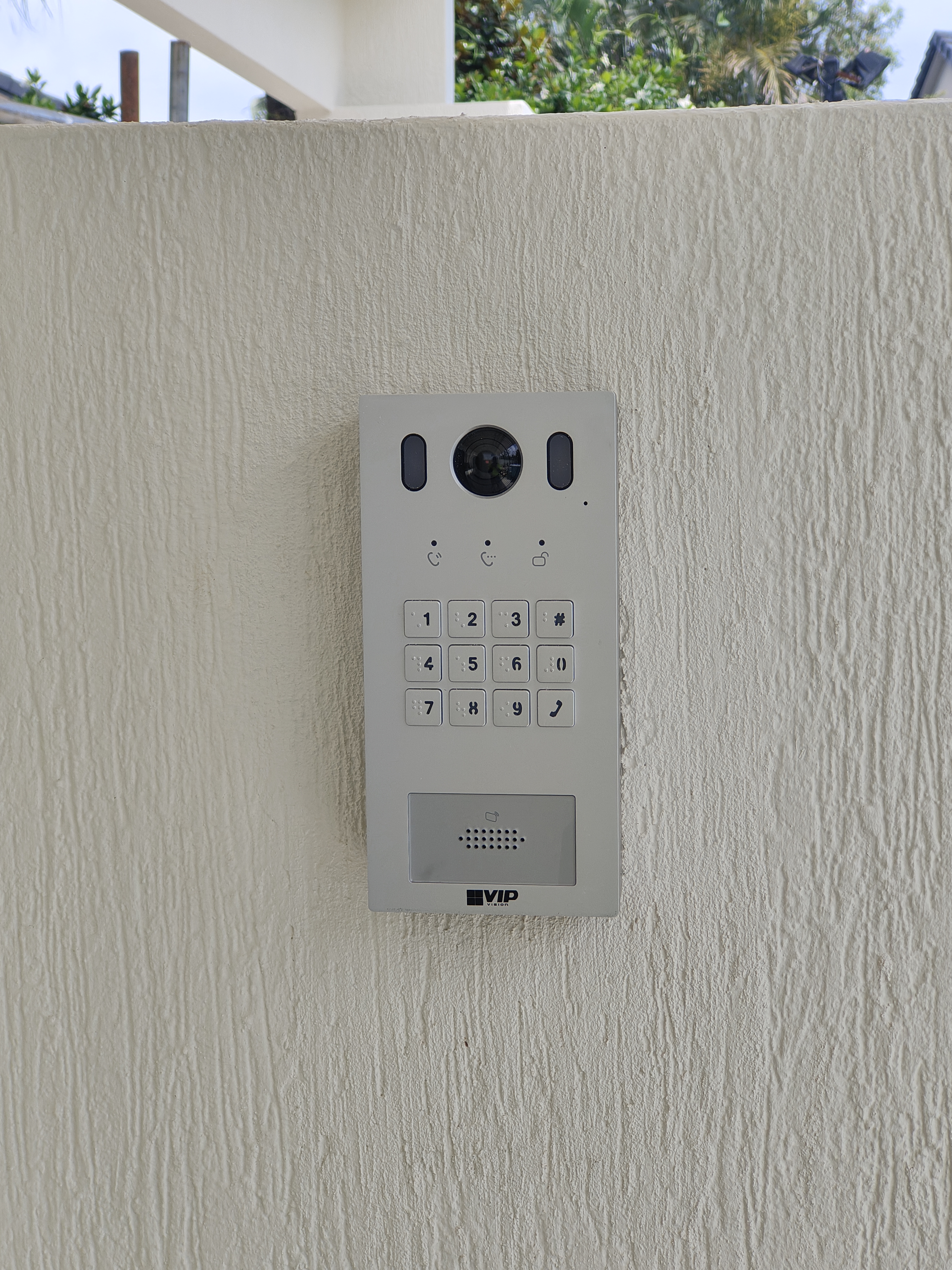
With security integration, access control and smart intercoms play pivotal roles. Let’s explore how these elements enhance overall protection.
Managing Credentials and Audit Trails
Managing who can access what and when is crucial. Use a centralized system to control credentials. This ensures only authorized individuals can enter certain areas. Audit trails are equally important. They provide a record of who accessed specific locations and when. This helps in identifying potential security breaches quickly and efficiently. Regularly update and review these records to maintain security integrity.
Integrating Salto Access and Ajax Alarms
Salto access control and Ajax alarms are a powerful duo. When integrated, they provide a seamless security experience. Salto offers scalable management, making it easy to handle multiple access points. Ajax alarms are known for their layered detection, reducing false alarms. Together, these systems offer robust protection, ensuring every angle is covered.
Enhancing Perimeter Detection and Door Contacts
Perimeter detection is your first line of defense. Ensure your system has reliable door contacts and PIRs. These devices detect any unauthorized entry attempts. When integrated with your overall security system, they provide immediate alerts. This allows you to respond quickly and prevent potential breaches. Regular maintenance and testing ensure these devices function optimally, keeping your premises secure at all times.
By following this guide, you can enhance your site’s security and address common pitfalls. For more insights, follow us at Secure Edge, your trusted security partner on the Gold Coast.