Why Most CCTV Systems Fail When You Need Them Most
Why Most CCTV Systems Fail When You Need Them Most
Most CCTV systems appear to work — until footage is actually needed.
At that point, the real issues become obvious:
faces are unclear
number plates are unreadable
critical areas aren’t covered
recordings are missing or unusable
This isn’t uncommon. It’s the result of how most systems are designed.
The Problem Isn’t the Camera — It’s the Design
Many CCTV systems are installed with a focus on:
covering general areas
reducing upfront cost
using standard packages
But not on:
capturing identifiable detail
supporting incident investigation
aligning with how the site operates
This is why systems often fail when they’re needed most.
What Actually Matters in a CCTV System
A properly designed CCTV system focuses on:
Identification, not just visibility
Correct camera positioning
Lighting conditions
Entry and exit points
Recording quality and retention
It should also work alongside alarm systems and access control to support a broader security approach.
Common Mistakes We See
Across the Gold Coast and South East Queensland, the most common issues are:
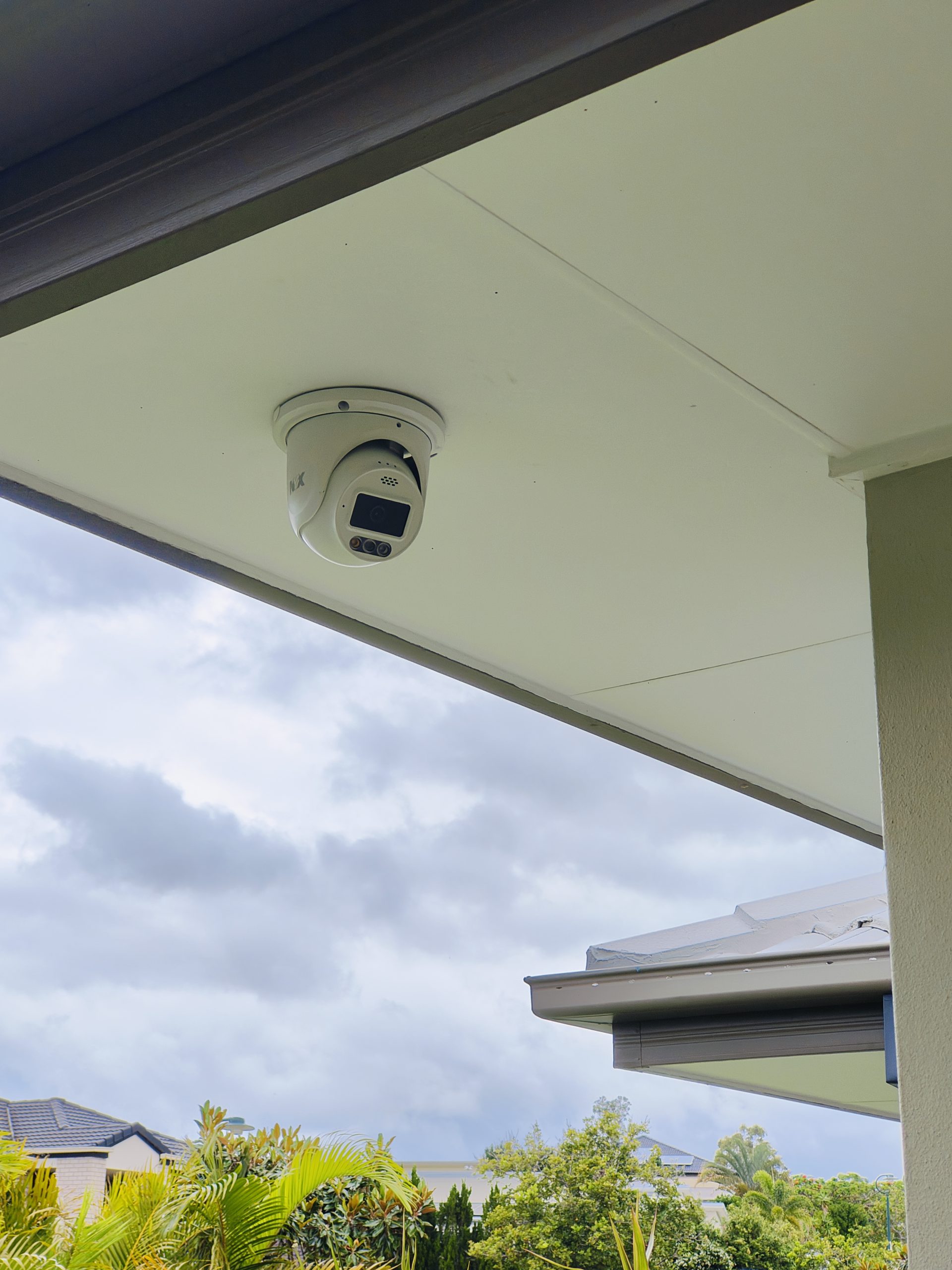
cameras mounted too high
wide-angle coverage with no detail
blind spots at entry points
poor night performance
systems installed without long-term planning
These are not hardware issues — they are design issues.
Why Review Matters
Many systems are never reviewed after installation.
Over time:
environments change
usage changes
risks change
A system that worked five years ago may no longer be effective today.
The Bottom Line
If your CCTV system cannot:
clearly identify a person
capture key events
support investigation
then it is not performing its role.
If you’re unsure whether your system would hold up when needed, it may be time for a review.
👉 Visit our CCTV Systems page to assess your coverage and identify potential gaps.


