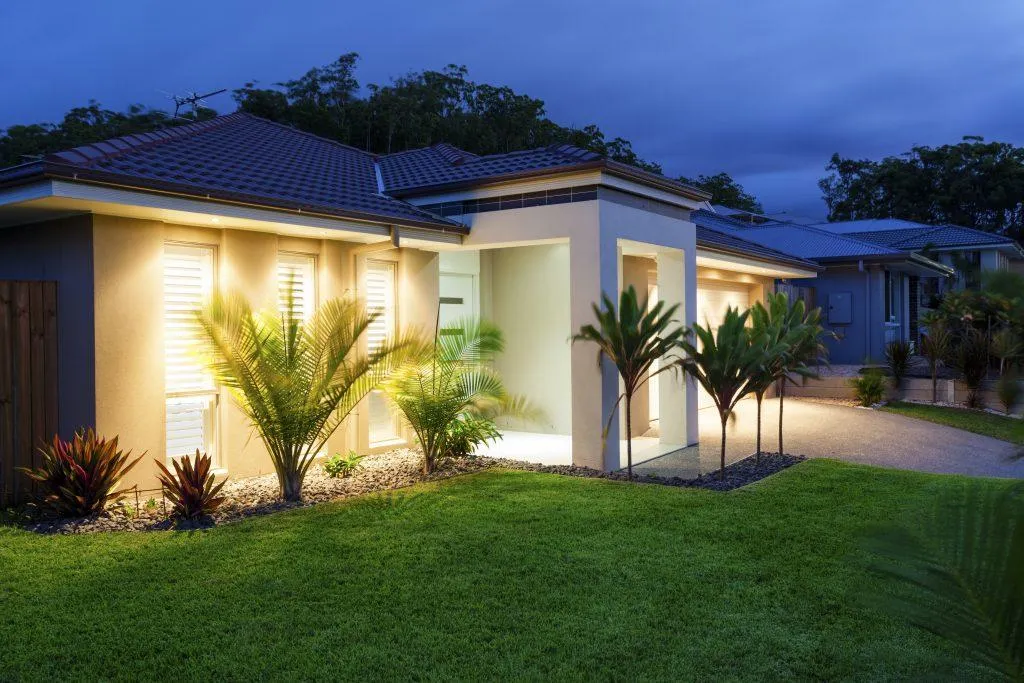

Maximising Security for Your Property with Smart Technology Integration
Picture this: your property fortified by cutting-edge smart security systems, providing peace of mind like never before. With technology advancing rapidly, integrating smart solutions like CCTV cameras and wireless alarm systems is no longer a luxury—it’s essential. At Secure Edge Pty Ltd, we specialise in crafting integrated security solutions tailored to your needs. Ready to transform your property’s security? Contact Secure Edge Pty Ltd today for a free consultation.
Understanding Smart Security Systems
In today’s world, the importance of a robust security system cannot be overstated. Smart security systems are revolutionising how we protect our homes and businesses. By integrating advanced technology, these systems offer enhanced safety, convenience, and peace of mind.
Benefits of Smart Technology
Smart technology in security systems offers numerous advantages over traditional setups. These systems enable real-time monitoring, allowing property owners to keep an eye on their premises from anywhere in the world. With enhanced automation, smart systems can improve response times and reduce human error.
-
Increased Security: Smart systems provide more comprehensive coverage, reducing vulnerabilities.
-
Convenience: Remote access and control make it easier to manage security systems.
-
Cost-Effectiveness: Over time, smart systems can reduce costs related to security breaches and maintenance.
Key Components of Smart Security
Smart security systems comprise several crucial elements that work together to protect properties effectively. CCTV cameras, wireless alarms, and smart locks are just a few of the components that form a comprehensive system.
CCTV Cameras: These provide continuous monitoring and record footage for later review.
Wireless Alarms: These systems alert property owners and authorities in case of unauthorized entry.
Smart Locks: Ensure that only authorised individuals can access the premises.
For more details on integrating these components, check out this resource.
Smart Solutions for Different Properties
Different properties have varying security needs. Smart security systems offer tailored solutions for homes, businesses, and schools, ensuring optimal protection for each type of property.
Homes: Smart solutions include access control and surveillance for family safety.
Businesses: Advanced systems provide inventory protection and employee safety.
Schools: Require specialised systems to ensure the safety of students and staff.
To explore how smart technology enhances safety across different buildings, visit this site.
Integrating Home Security Technology
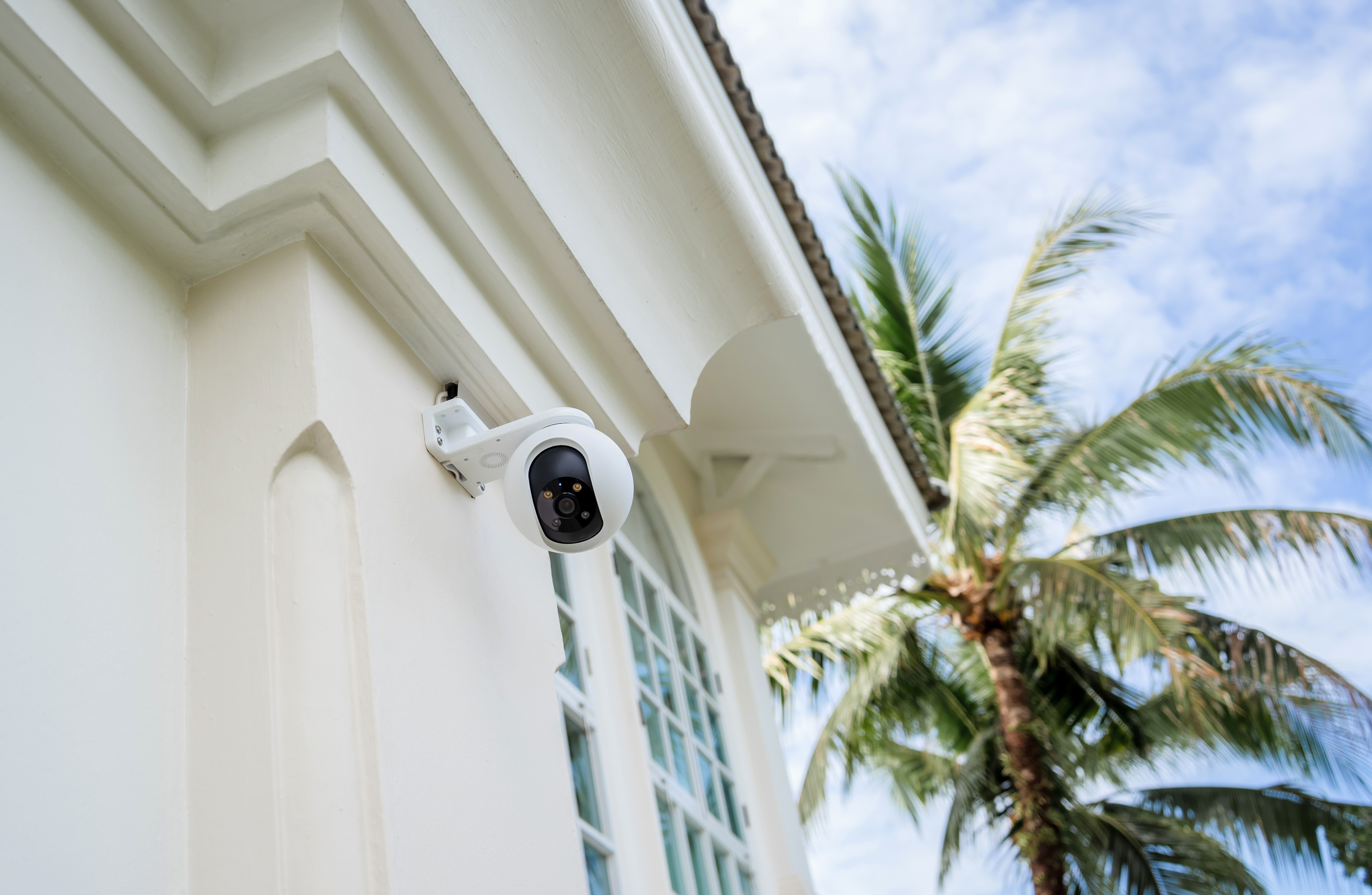
Integrating smart technology into home security can drastically improve safety and convenience. From CCTV cameras to wireless alarm systems, there are several ways to modernise your home security setup.
Setting Up Smart CCTV Cameras
Setting up smart CCTV cameras involves a few key steps to ensure comprehensive coverage and functionality.
-
Determine Coverage Areas: Identify critical areas such as entrances and blind spots.
-
Select the Right Cameras: Choose cameras with features like night vision and motion detection.
-
Installation: Mount cameras securely and connect them to your network for remote access.
Smart CCTV systems offer real-time monitoring and can be accessed via smartphones, providing homeowners with peace of mind.
Implementing Wireless Alarm Systems
Wireless alarm systems are an essential part of modern home security. These systems are not only efficient but also easy to install.
-
Choose a Reliable System: Opt for a system with a good track record and positive reviews.
-
Placement of Sensors: Position sensors at all potential entry points.
-
Testing: Regularly test the system to ensure it is functioning correctly.
Wireless alarms provide immediate alerts to homeowners and can be integrated with other smart devices for enhanced security.
Streamlining Access Control
Smart access control systems offer a higher level of security by controlling who enters and exits a property.
-
Digital Keys: Replace traditional keys with digital ones for enhanced control.
-
Biometric Access: Use fingerprint or facial recognition for secure entry.
-
Remote Access: Manage entry permissions from anywhere.
These features not only increase security but also improve convenience for homeowners. For more information on streamlining access control, visit this link.
Choosing the Right Integrated Security Solutions
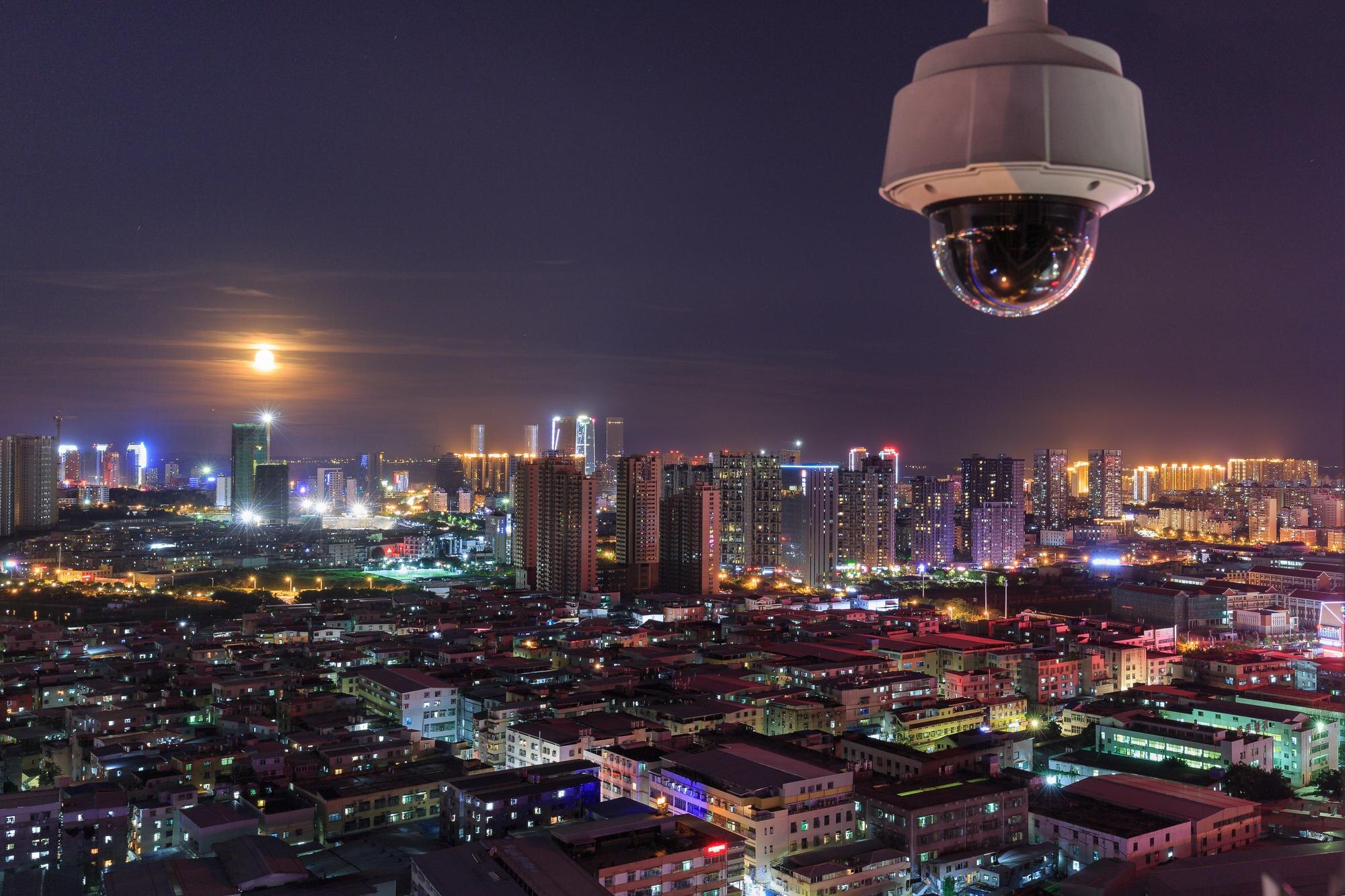
Selecting the right security system requires a tailored approach based on the specific needs of each property. Understanding these needs can ensure comprehensive protection.
Customising for Residential Needs
Residential properties require security solutions that focus on the safety of residents and property.
Basic Needs: Include perimeter security and interior monitoring.
-
Advanced Options: Incorporate smart locks and automated lighting.
- Surveillance: incorporating cameras with inbuilt deterrents, such as lights and sirens.
-
Family Safety: Use systems with panic buttons and emergency notifications.
These features provide a comprehensive security solution for homes. For further customisation options, contact Secure Edge.
Tailoring for Commercial Spaces
Commercial properties have unique security challenges, necessitating robust solutions.
-
Access Management: Control who enters sensitive areas.
-
Surveillance: Use high-definition cameras for detailed monitoring.
-
Alarm Systems: Install alarms that alert authorities immediately.
These measures protect assets and ensure employee safety. For a comprehensive guide on commercial security, see this source.
Special Considerations for Schools
Schools require tailored security solutions to ensure the safety of students and staff.
- Secure Entry Points: Restrict access to authorised individuals only.
-
Emergency Response: Equip systems with emergency alerts.
-
Surveillance: Monitor high-traffic areas for suspicious activity.
These considerations help create a safe and secure learning environment. For more on security in educational settings, explore this content.
