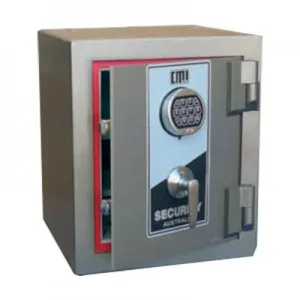

In the world of security, selecting the right safe is a critical decision that directly correlates with safeguarding your valuables. Whether you’re protecting important documents, jewellery, or other high-value items, it’s essential to match the quality of the safe with the value of the contents. In this guide, we will delve into the factors influencing safe ratings, considering aspects such as size, materials of construction, weight, locking mechanisms, and the added layer of security against fire, theft, and other sophisticated attempts to breach them, like oxy torches.


Understanding Ratings:
Safe ratings serve as a benchmark for their overall security and resilience. The rating of a safe is contingent upon various factors, each contributing to its overall effectiveness in protecting its contents. Size, materials, weight, and locking mechanisms are key components to evaluate when determining the suitability of a safe for your specific needs.
Size Matters:
The size of the safe is a crucial factor in determining its security rating. Larger safes are generally more robust and can withstand a variety of threats better than their smaller counterparts. Consider not only the current size requirements but also anticipate future needs to ensure your safe remains effective in the long run.
Materials of Construction:
The materials used in the construction of a safe play a pivotal role in its overall security. High-quality steel is a standard choice for top-notch safes. In Australia, safe manufacturers often adhere to specific standards to ensure the durability and reliability of their products. Look for safes that comply with Australian standards to guarantee that you’re investing in a product that meets rigorous safety criteria.
Australian Standards for Safe Ratings:
AS 3809: Safes and Strongrooms – Construction and Performance
AS 4145: Safes – Storage of Valuables
AS 4760: Safes – Combination Locks
Weight as a Security Measure:
The weight of a safe contributes significantly to its security. Heavier safes are inherently more challenging to move or breach. Consider the weight of the safe in relation to your home or business location – a heavier safe adds an extra layer of protection against theft.
Locking Mechanisms:
The locking mechanism is the heart of any safe. Different safes come with various locking options, including combination locks, key locks, and electronic locks. The choice of locking mechanism depends on your preferences and the level of security required. Electronic locks, for example, offer quick access while maintaining a high level of security.
Additional Safe Considerations:
Fire Resistance:
Beyond the basics of safe ratings, consider the level of fire resistance your valuables require. Many safes come with fire-resistant features, protecting your documents and delicate items from damage in the event of a fire. Look for safes with fire ratings certified by relevant authorities.

Theft Prevention:
Evaluate the safe’s resistance against burglary attempts. Modern safes incorporate advanced features such as drill-resistant plates, reinforced doors, and additional locking bolts. Investing in a safe with a high level of theft prevention features ensures your valuables remain secure.
Protection Against Advanced Threats:
In the ever-evolving landscape of security threats, consider safeguards against sophisticated methods like oxy torch attacks. Some safes are designed with reinforced materials and construction techniques to withstand even the most determined intruders.
In conclusion, selecting the right safe is a multifaceted decision that requires careful consideration of various factors. By understanding the significance of safe ratings, Australian standards, and additional security features, you can make an informed choice that provides optimal protection for your valuables. Remember, the security of your belongings is an investment in peace of mind, and choosing a high-quality safe is a step towards ensuring that investment pays off.
But Wait, There’s more safe info!
Optimising Internal Space: Ensuring Your Safe Fits Your Needs
While the external dimensions and security features are crucial considerations when choosing a safe, the internal size plays an equally significant role in meeting your storage requirements effectively. Often, clients underestimate the amount of space they’ll need to secure their valuables adequately. In this section, we’ll explore the importance of assessing internal space, how to gauge your storage needs, and why opting for a larger safe is a prudent decision.
1. Assessing Your Storage Needs:
Before investing in a safe, take a comprehensive inventory of the items you intend to store. This could include important documents, jewellery, cash, or other high-value items. Consider not just the present but also anticipate any future acquisitions that might require secure storage. By understanding the full scope of your storage needs, you can make a more informed decision about the size of the safe required.
2. Internal Dimensions:
Safes come in various internal configurations, including shelves, drawers, and compartments. Evaluate how the internal layout suits the items you plan to secure. Consider the dimensions of your largest items to ensure they fit comfortably inside the safe without compromising its security features.
3. Choosing a Larger Safe for Future Needs:
It’s advisable to err on the side of caution and opt for a larger safe than you initially think you need. As life evolves, so do your valuables. Choosing a safe with ample internal space ensures that you won’t outgrow its capacity in the future. This foresight can save you the hassle and expense of upgrading to a larger safe down the line.
4. The Modular Approach:
Some safes offer modular interiors that can be customised to accommodate changing storage requirements. This flexibility allows you to adapt the safe’s internal space as your needs evolve. Explore safes with adjustable shelving or removable compartments for added convenience.
5. Consideration for Specialised Items:
If you plan to store items with unique dimensions, such as artwork, heirlooms, or unusual-sized documents, factor these into your safe selection process. Safes with adjustable shelving or customization options provide the versatility needed to secure a wide range of valuables.
6. Peace of Mind through Adequate Space:
Investing in a larger safe not only accommodates your current storage needs but also brings peace of mind. Knowing that you have ample space for future acquisitions or unforeseen items provides a sense of security and eliminates the need for additional storage solutions.
In conclusion, when selecting a safe, pay meticulous attention to the internal dimensions to ensure it aligns with your current and future storage needs. By carefully assessing the items you plan to secure, considering the internal layout, and opting for a larger safe with flexibility, you’re not only safeguarding your valuables but also future-proofing your investment. A well-thought-out choice in internal space can make your safe a reliable and enduring security solution.


